
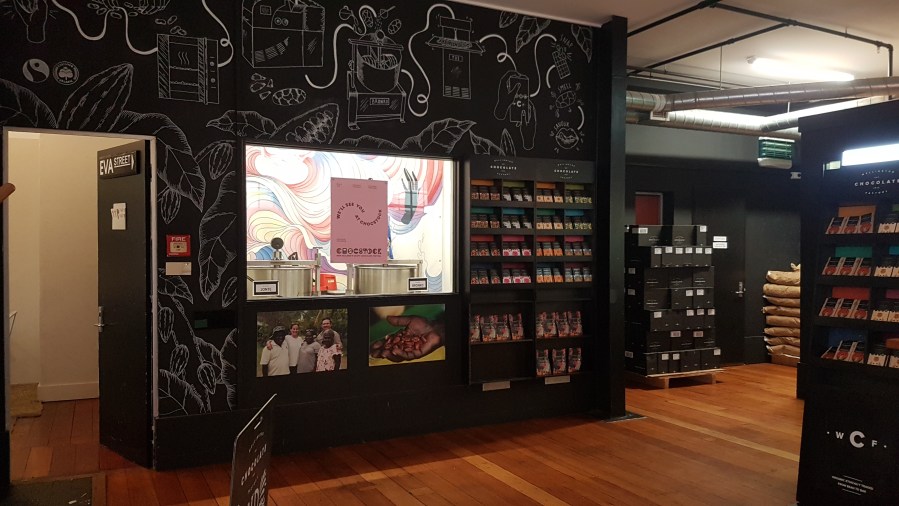
I have always had a sweet tooth. I’ve been told I didn’t try my first chocolate until I was at least 2 years old, but it did nothing to prevent me from being a chocolate lover.
Today, Mum and I did a tour at Wellington Chocolate Factory. The first time I tried their chocolate was about 4 years ago and to be honest, I wasn’t really a fan. I was comparing it to the mass produced, super sweet, candy style chocolate I had grown up with from the supermarket. About 3 years ago I went refined sugar free for a year. The one exception being a 90% cocoa chocolate that had about 5-6 % sugar. It was during this time that my palate really developed and I was able to start appreciating the sophisticated flavours that come through in good quality chocolate.
Wellington Chocolate Factory (WFC) is on Eva Street which, in recent years has transformed from a dodgy feeling alley way, to a very popular artisan food street.
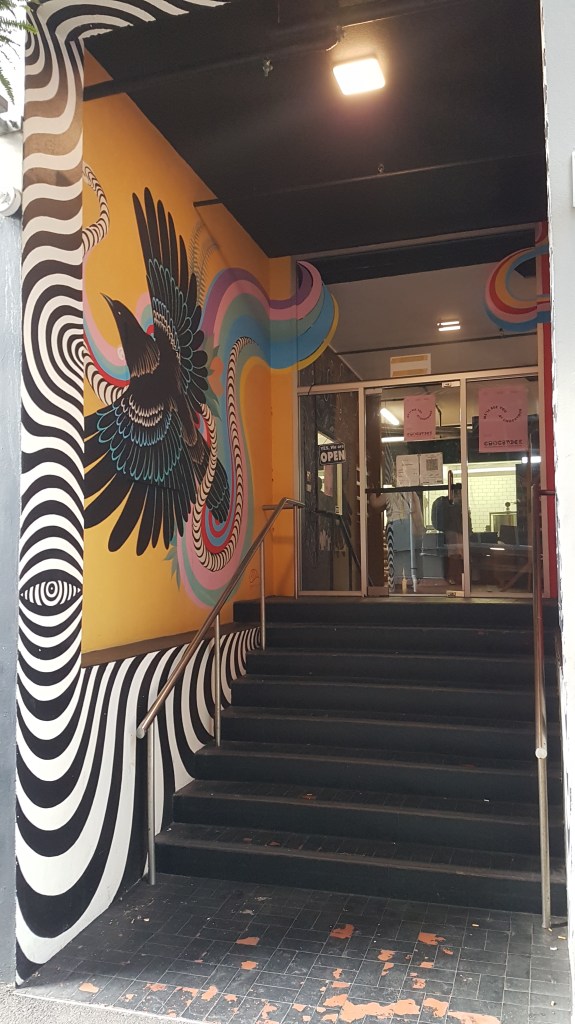
When I first step foot inside the building, the first thing I notice is the rich, sweet smell of warm, decadent chocolate. The aroma wafting through the New York Loft style building.
We are introduced to our host Jess and taken through into a quiet room to learn all about the ‘Bean to Bar’ process.
Artisan chocolate, like the ones produced here, are not as processed. They are treated in a way that enhances and celebrates the natural flavours and characteristics of the cacao beans. The ‘Bean to Bar’ practise is becoming more popular now in New Zealand, but WCF were the first to start doing this in NZ. Ethics, innovation, fair trade and sustainability are all key pillars for the company. They work directly with fair trade suppliers, like Trade Aid and the growers to source their beans.
The beans that WCF use are sourced from Central South America (Peru and Dominican Republic) and the South Pacific. Chocolate originates from South America and dates way back to the Aztecs and Mayan times. However, today, about 80% of the world’s cacao actually comes from the Ivory Coast and Ghana in Africa. Sadly, there is a big monopoly there and it does play a part in child trafficking and slavery.
There are many varieties of Cacao trees, one of the oldest being the Criollo from Peru. It has some beautiful fruity tones and this is the one WCF use for their single origin dark chocolate. From the Dominican Republic they source another old variety called Trinitario which is known for it’s earthy, citrus tones.
Just like wine, the growing conditions, the soil, weather, climate, etc, all contribute to the flavour notes and characteristics of the bean.
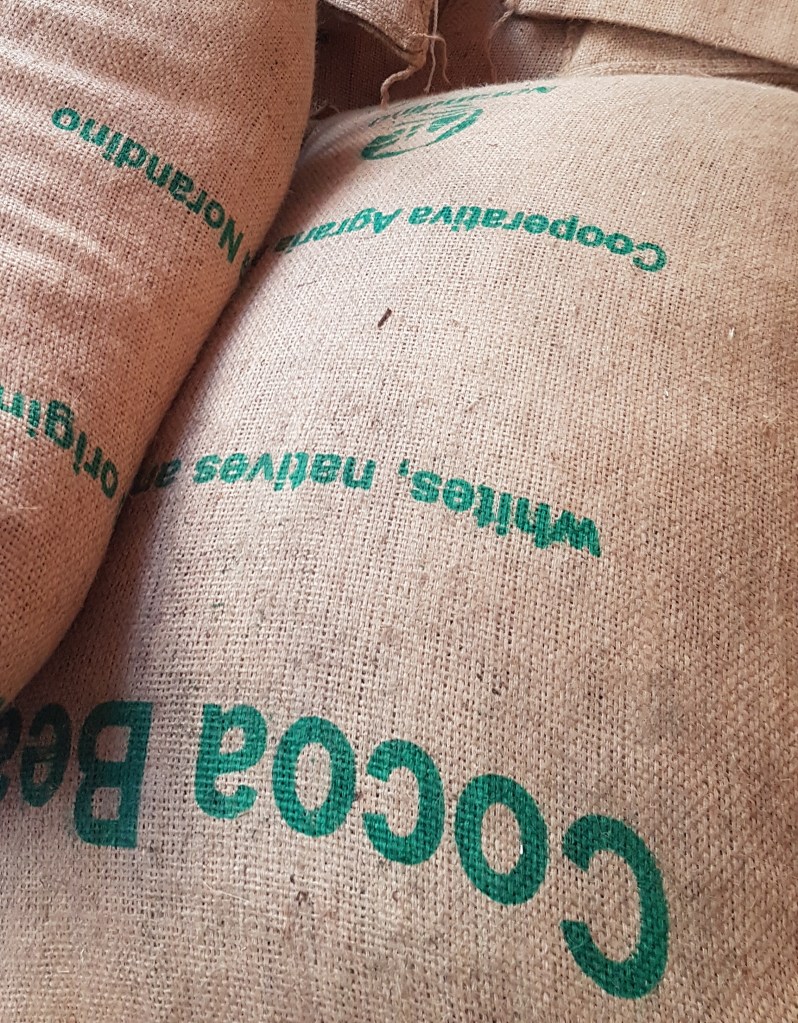
After harvesting, the beans are fermented and dried. They are then packed and shipped off to manufacturers. It is at this stage that WCF receives their beans.
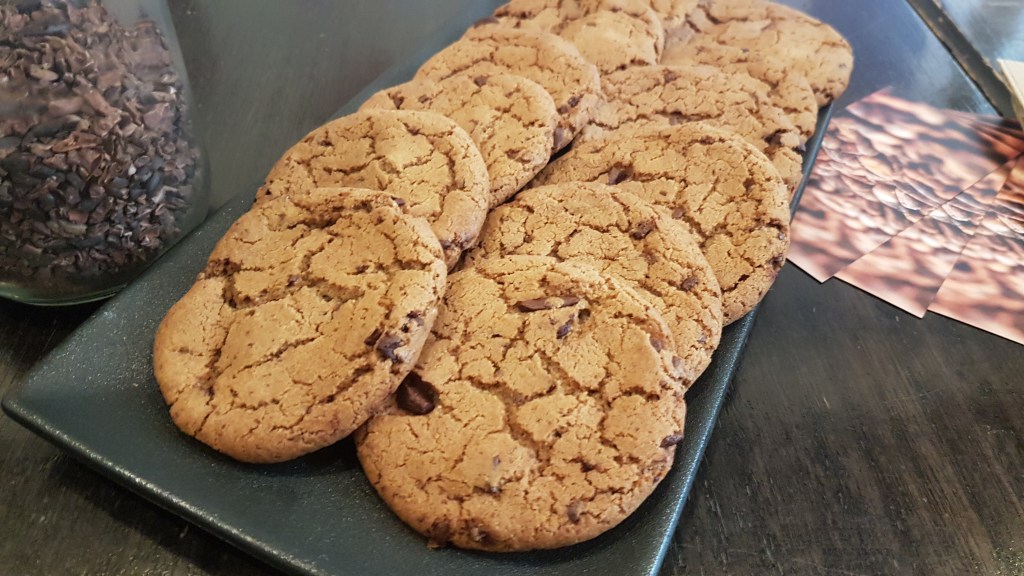
While munching on our complementary vegan chocolate chip cookies, Jess talks us through the process of how they make their chocolate before taking us on a short tour of the factory to see it with our own eyes.
The first step is sorting. WCF remove any beans that are broken, have holes in them, shriveled or fused together. They are also on the look out for foregin things, such as stones, sticks and string. Apparently WCF have also come across a bouncy ball, lizard skull and a barbie doll shoe in their bag of fermented, dried beans.
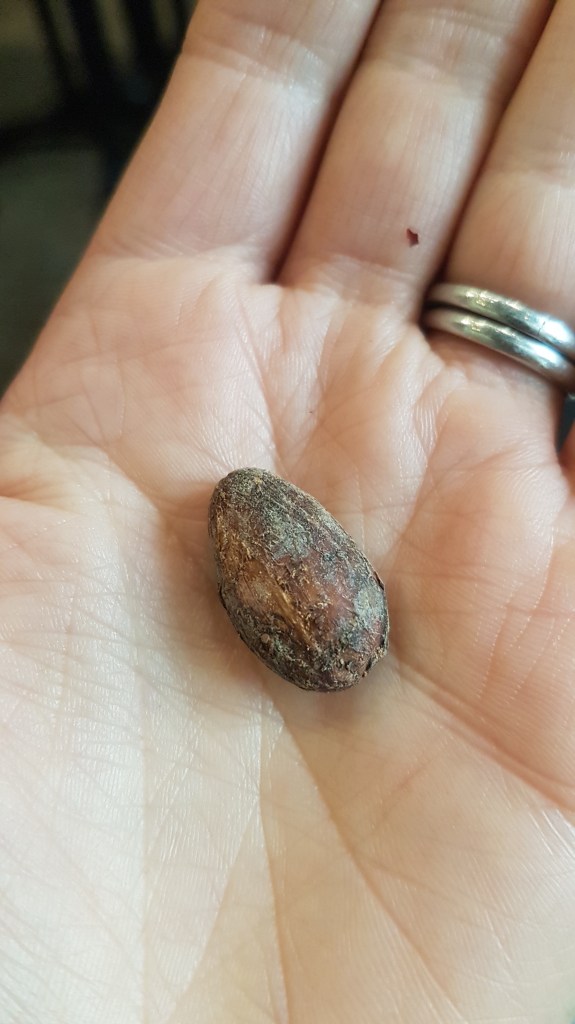
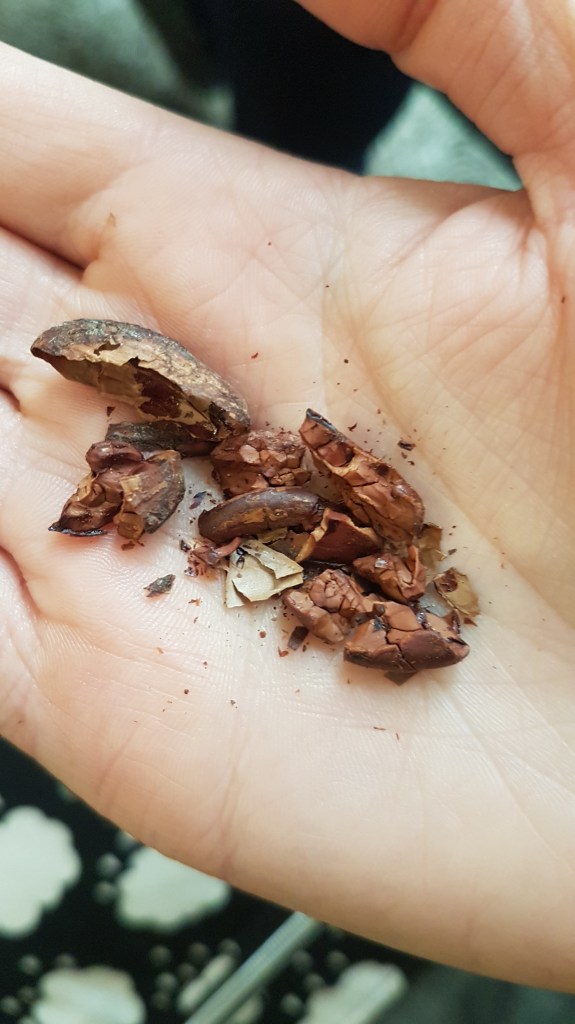
Roasting happens next. This is the most important stage. Over roasting will kill the flavours, getting it right will celebrate the natural characteristics of the bean. We get to try a roasted Peruvian bean. It’s crunchy and bitter, but not nearly as bitter as I was expecting. It has a beautiful nutty flavour and I really enjoy this. Pieces of this roasted bean are what is known as Cacao nibs. They are a super food, high in antioxidants, selenium and endorphins.
The cacao nibs are then ground in a stone grinder. This process takes 3 days. Sugar is added at this stage, along with milk or flavours if they are being used. We learn that you can’t add liquid to the chocolate, so to add milk, it needs to be milk solids.
We all gather around the little room, peering in through the glass, watching the grinder mix all the glorious, smooth liquid chocolate. The stuff in here has been grinding for 2 days and Jess scoops up a cup for us to try. It has a very fruity flavour but it’s not very smooth yet. It still needs another day in the grinder to properly mix in the sugar and cacao.
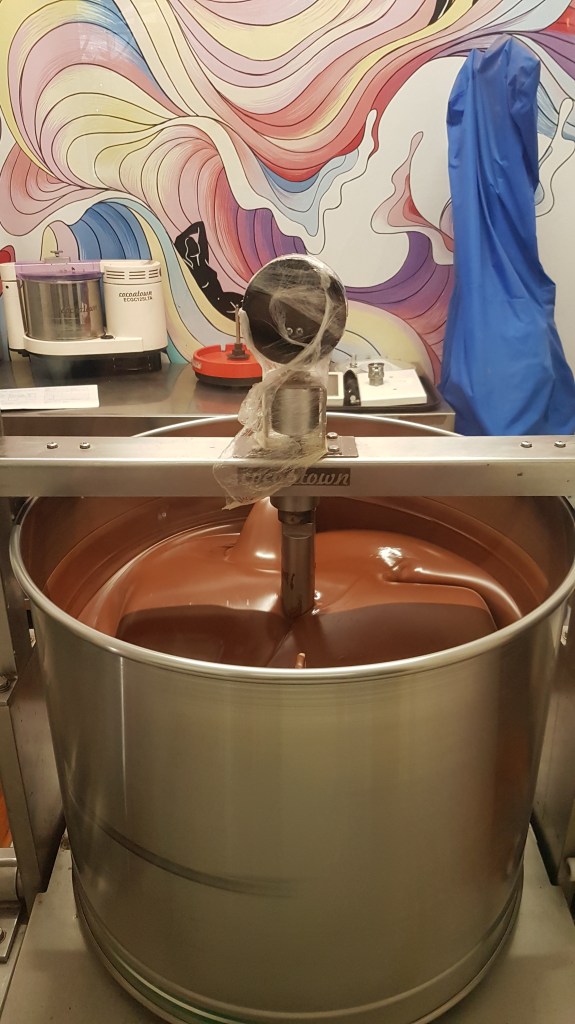
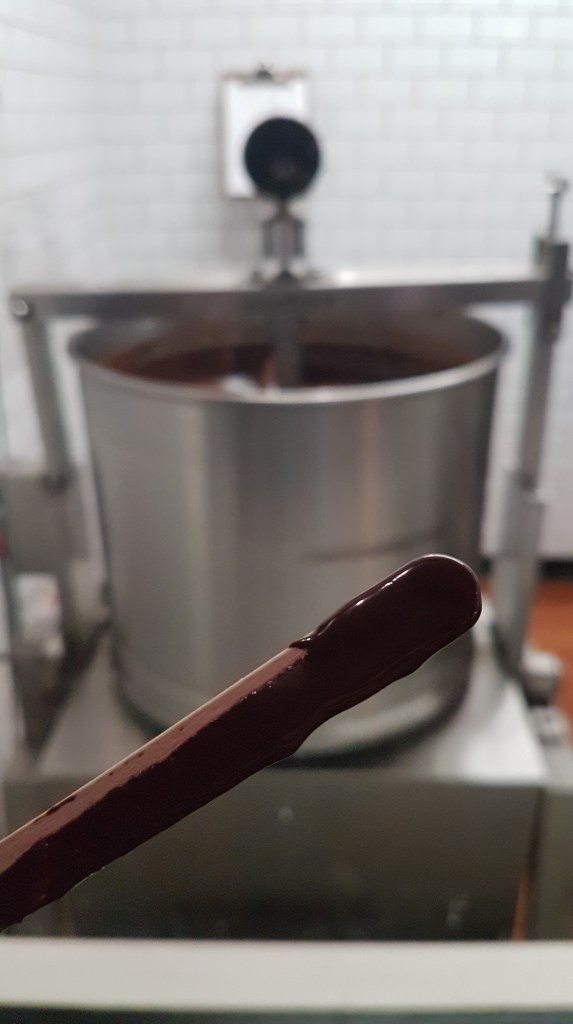
After 3 days, the chocolate will be poured into tins to set. It will keep like this for a long time and WCF are starting to experiment with aging the chocolate at this stage. (It’s starting to sound a bit like wine) Any flavours added to the chocolate are infused into it during the grinding stage. They don’t have the equipment to have chunky bits embedded into it. Instead, if desired, they will sprinkle textured flavours onto the back. (Like the salted caramel brittle, which is amazing by the way!) Once set, the bars are then hand wrapped and ready for sale.
And there you have it. The Bean to Bar process.
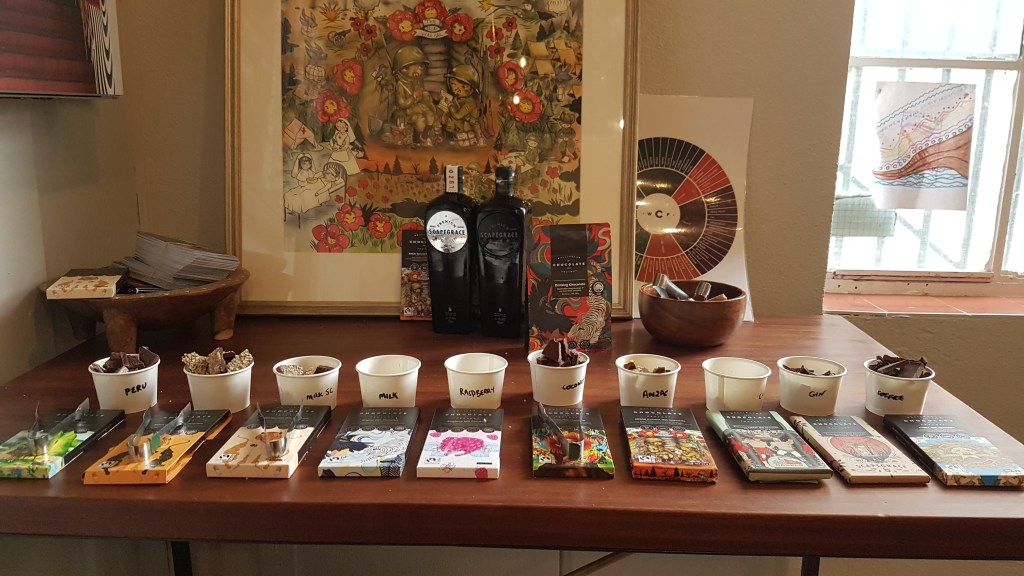
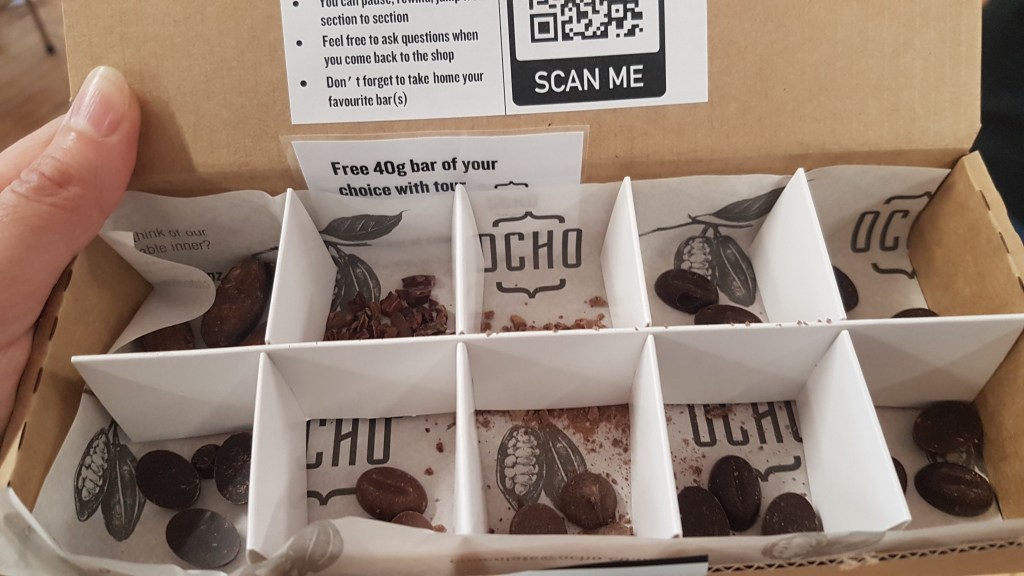
But the tour is not complete, we still need to sample the goods. We were able to try 10 different flavours (and I have to say, they were pretty generous with their tasting sizes). From single origin chocolate to a vegan coconut chocolate to collaboration with Scale Grace gin, there was no shortage of deliciousness and innovation. My favourite was the single origin (honestly, I had no idea a plain chocolate could have such complex, interesting flavours) This is the take home bar I choose, but it was a tough choice, the dark salted caramel was also outstanding. Even the coffee one was pretty good, and I don’t even like coffee!
The tour was meant to last an hour but our group had a lot of great questions and we found ourselves there for the best part of 2 hours. It is the most fascinating tour and Jess’ passion and enthusiasm for the products shine through. It is so refreshing to see a business that builds its foundations upon fair trade and sustainability.
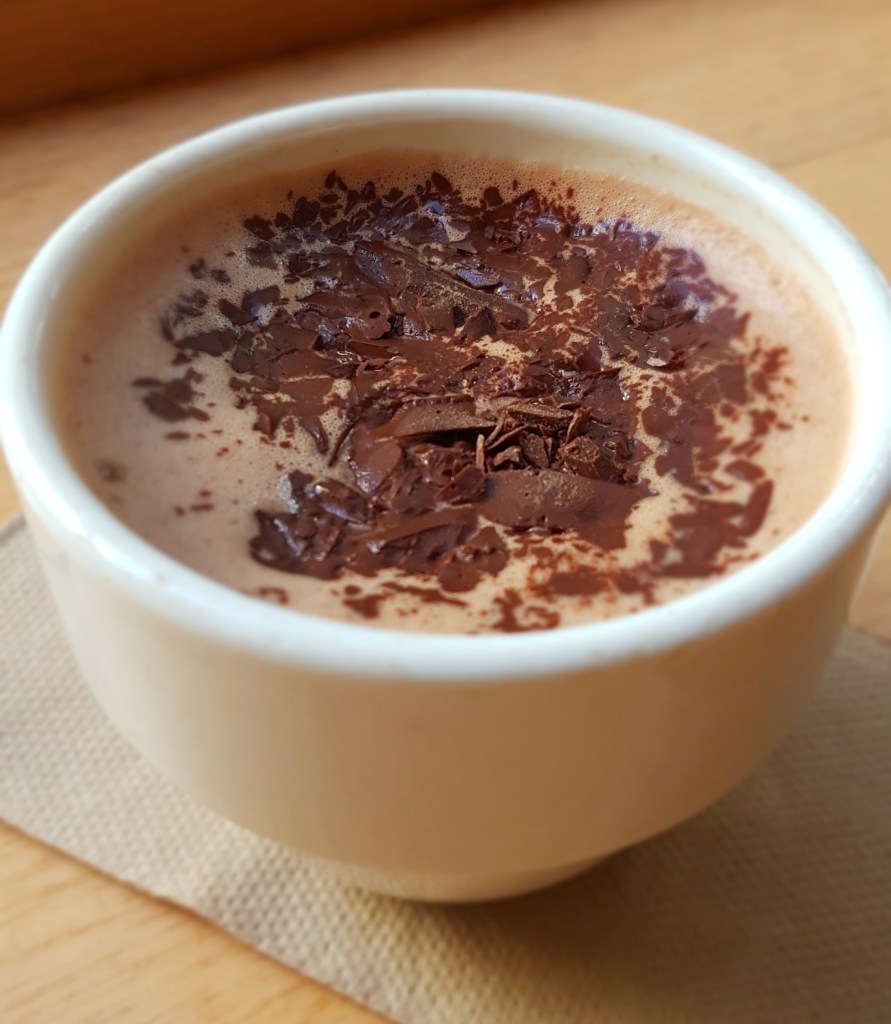
We ended our tour with a complementary cup of their hot chocolate and a greater appreciation to the love and effort that goes into making our favourite sweet treat.
 Exploring the Long White Cloud