It’s our last full day on Rakiura and after a late night out kiwi spotting we have our earliest start yet. We are both pretty tired, but looking forward to our tour. We layer up and walk to Golden Bay Wharf to meet up with Ulva’s Guided Walks.
Ulva Island is a nature reserve situated in Paterson Inlet. I am looking forward to spotting some of our less common birds and hopefully some I have never seen before. We had been told that winds up to 50 knots were expected today and in fact, other companies were not operating, but Ulva’s guided walks operate a catamaran which is able to manage the weather. It’s actually a very calm morning and so far, no rain.
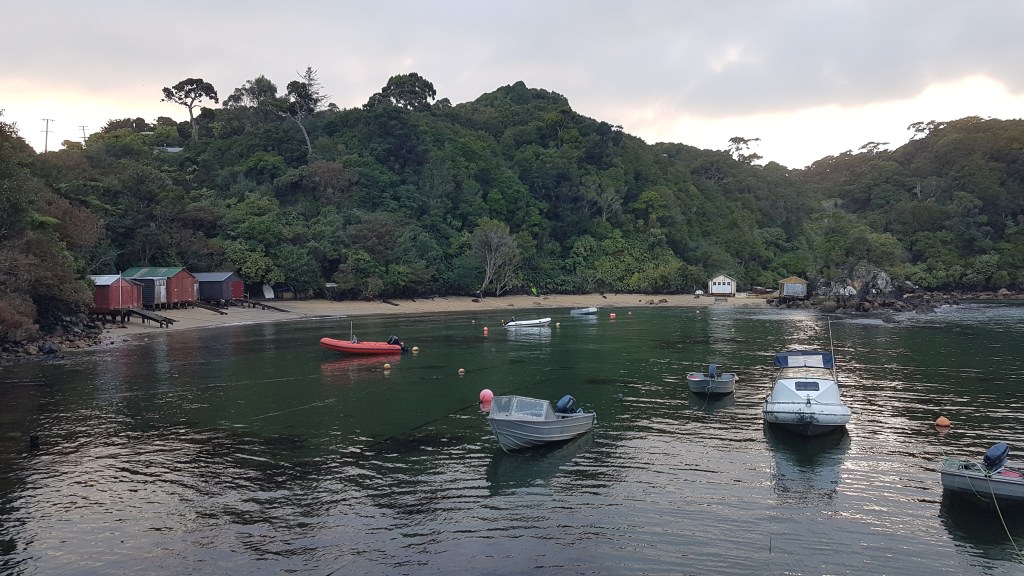
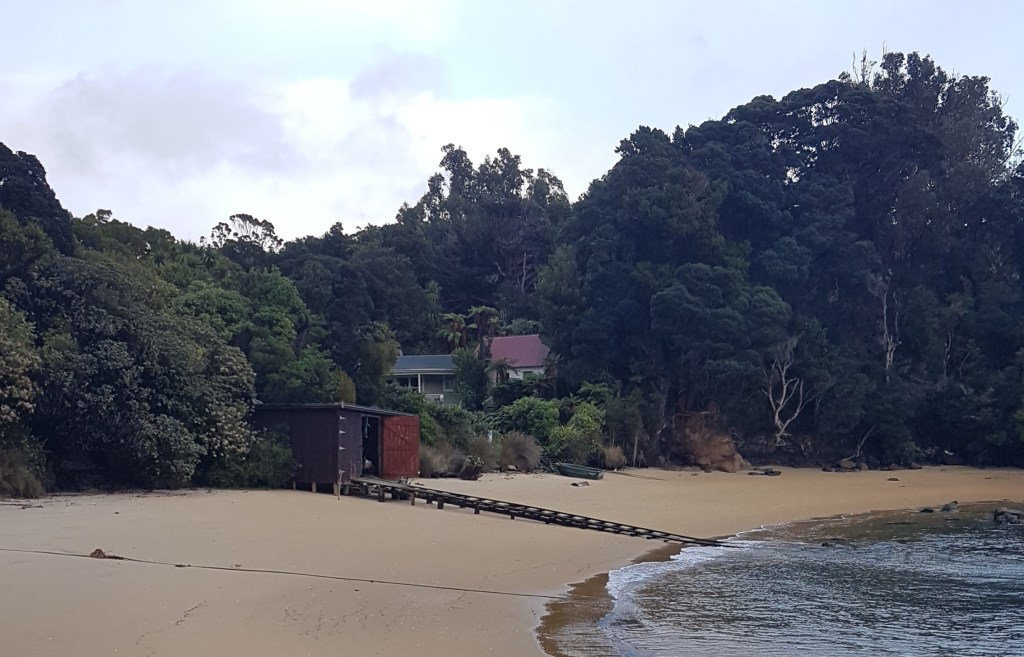
It’s a short 5 minute boat trip and before we know it, we are disembarking at Post Office Bay. It seems strange that the original post office would have been out here. We learn that when Rakiura was first settled, people lived in settlements scattered around Rakiura and its islands, not all in Oban like today. So this location was actually quite central! When the post ship came (only once every 3 months) a flag would fly at the top of the island to let everyone know. Locals would put on their Sunday best and row out to Ulva Island to collect their mail and catch up on the gossip.
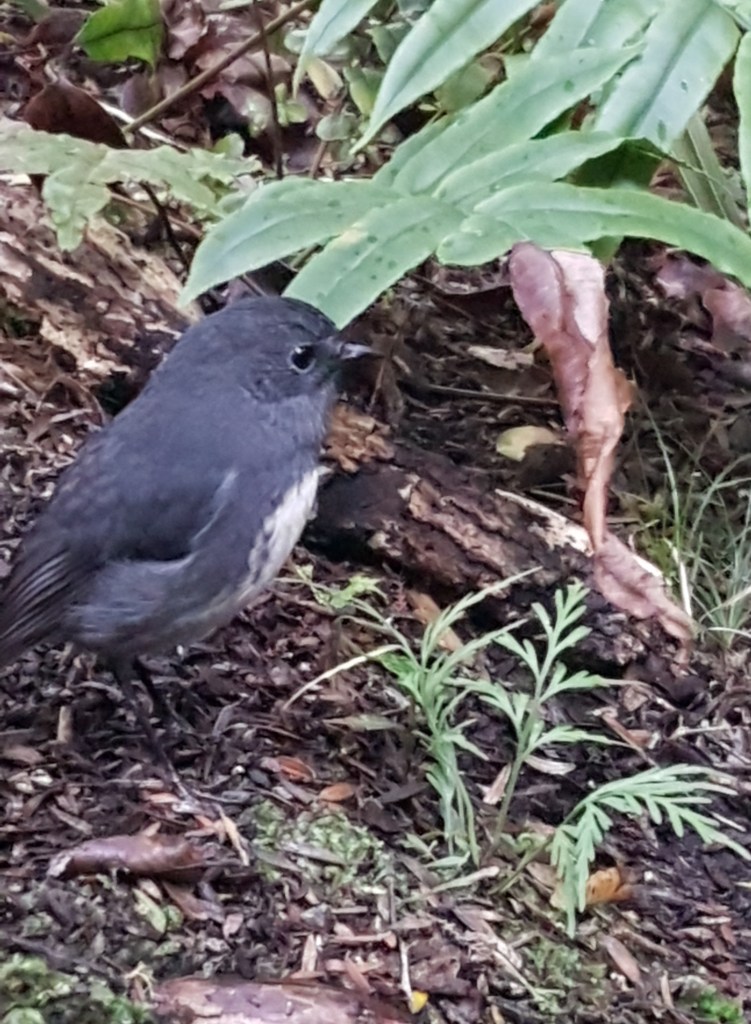
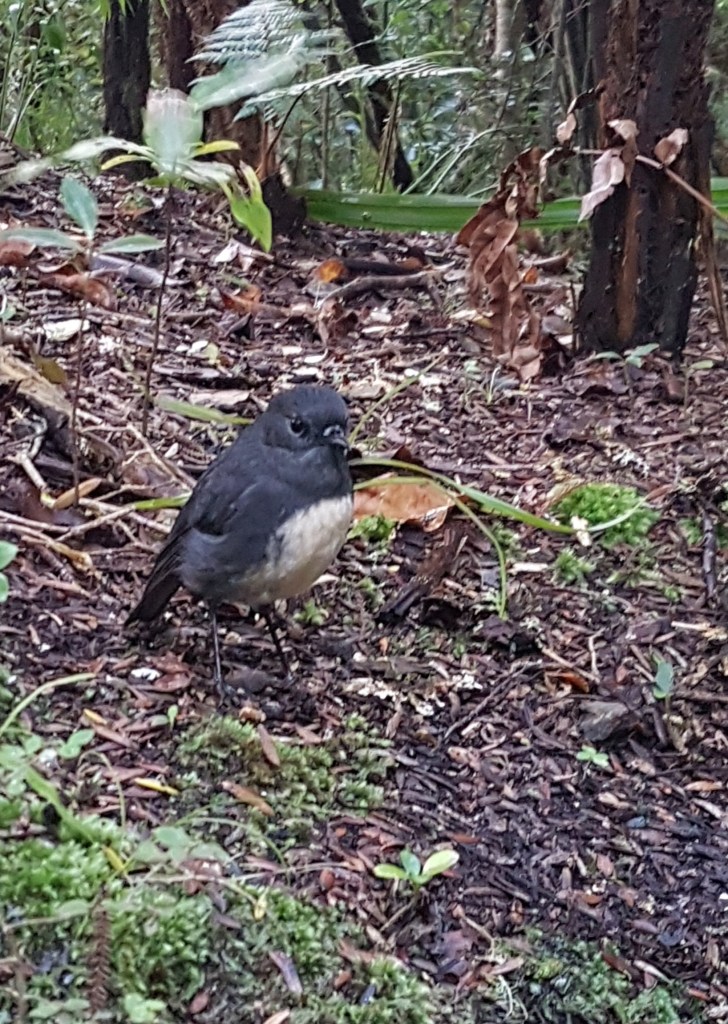
About a 1/3 of the island has walking tracks, the rest of the forest left undisturbed for the birds. With the 5 others in our group we set off along one of the tracks and begin exploring. The first little bird we encounter is the Kakaruwai (Stewart Island Robin). A sweet, curious little bird that comes very close. Our guide, Emma, explains that they often come close because they like to graze for bugs in the leaf litter and when we walk, we disturb it, making it easier for them. While we are standing around watching, Emma rustles up some leaves with her hand and the little robin dives right in looking for food.
The first part of the forest we explore is called exotic forest, planted by the Post Office Owners to remind them of home. Fortunately, they were botanists and understood the importance of native forest and didn’t clear the entire island. In fact, they even petitioned and managed to make it a reserve, one of the earliest in the country. Most of the forest on this island today is still native forest thanks to them. I am grateful. It’s stunning.
While the exotic forest still stands today, it won’t be forever. Local conservationists remove the new exotic seedlings. Pine needles are particularly bad, their acidity preventing our native ferns and mosses from growing. One day, the whole island will be returned to native forest.
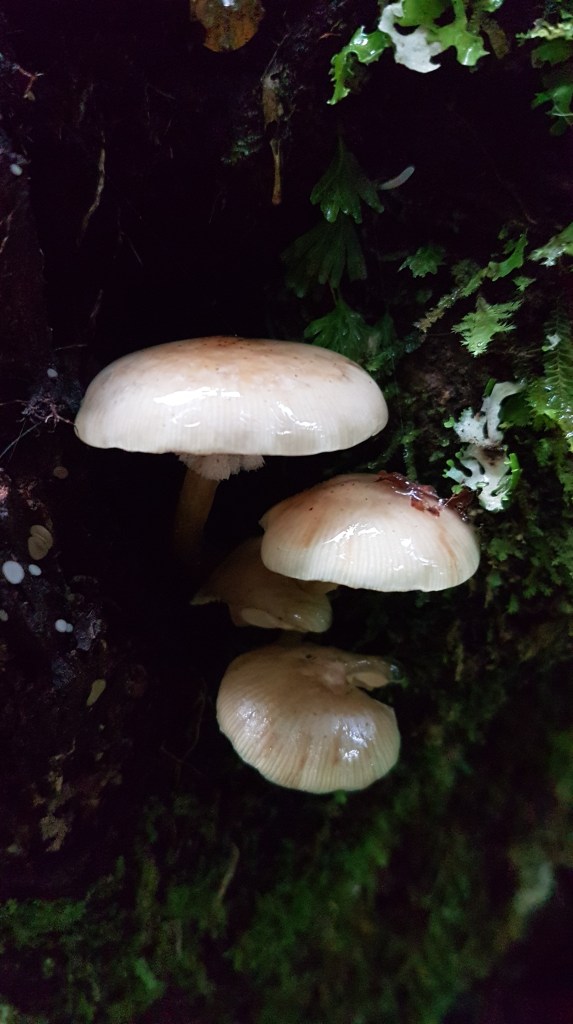
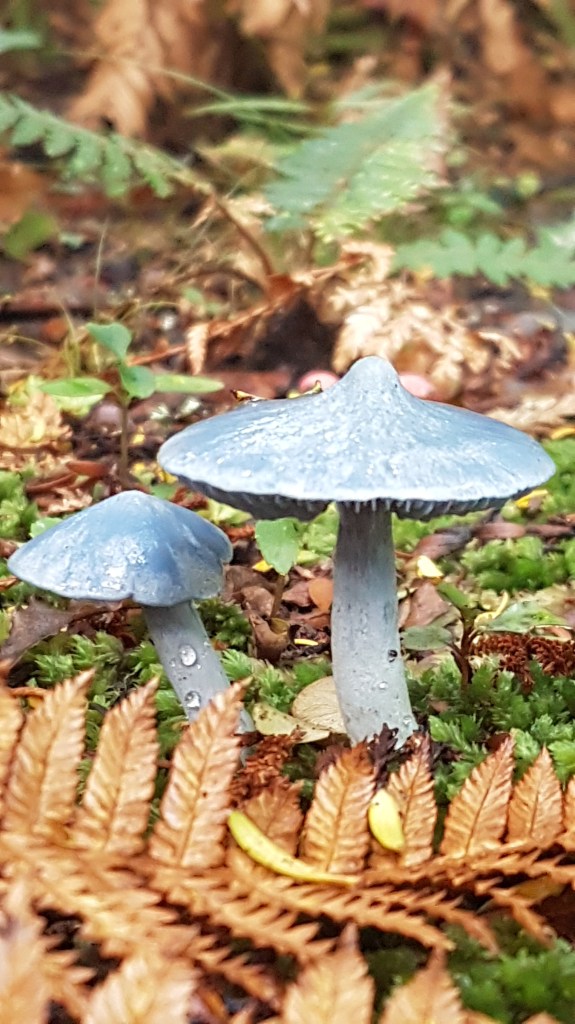
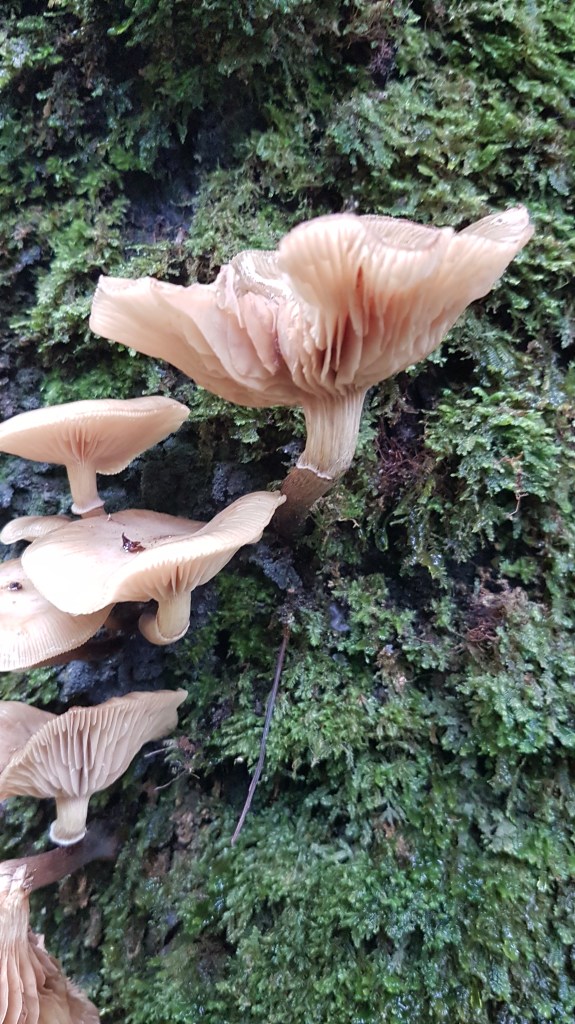
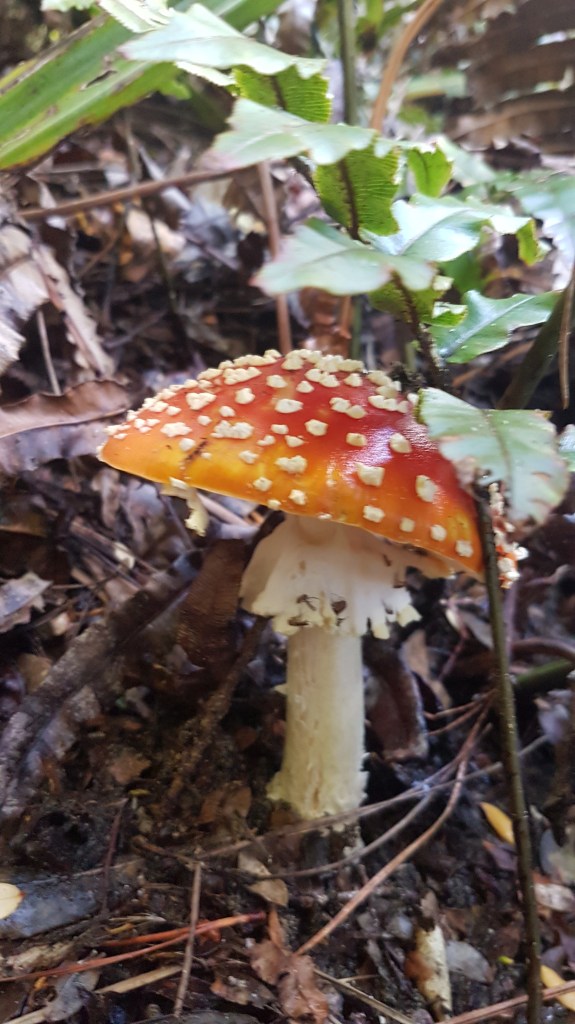
We spend the next 3 hours wandering through some exquisite native bush, so lush and vibrant. You could look at it and say it’s just a bunch of green trees, but for those that take the time to be still and really look, you will begin to see the intricate layers that exist. From the ground cover ferns and moss to the mighty rimu and totara, there is so much magic in this place. Emma points out different toadstalls and mushrooms along the way, the colours and shapes are awesome. I love the little blue ones. I have never seen anything like this before.
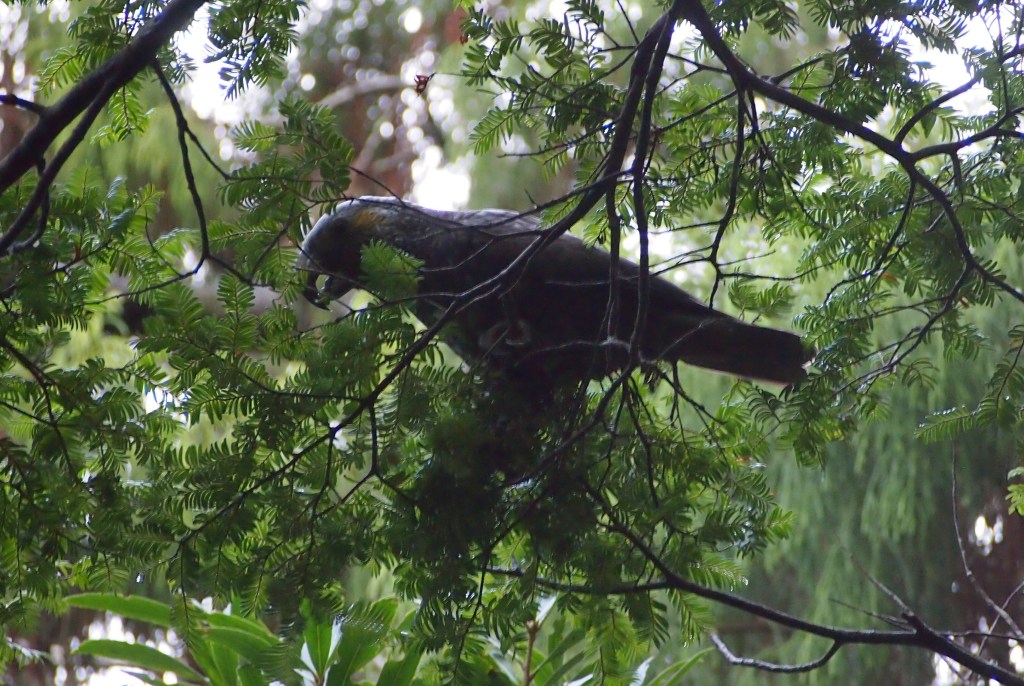
We then spot a kaka, a parrot that is found in low lying areas. They have beautiful red plumage under their wings. It sits up in the tree, cracking seeds out of the miro berries and dropping the shells on the ground. Emma says that these birds are like naughty teenagers and love getting up to mischief. In the town they will un-peg your washing from the line and are able to remember your breakfast routine, turning up to tap on your window, just as you are sitting down to eat. Emma also said some cheeky kaka learnt how to use a cat flap by watching the family cat and her grandmother came home to find 5 kaka on her dining room table helping themselves to the fruit bowl!
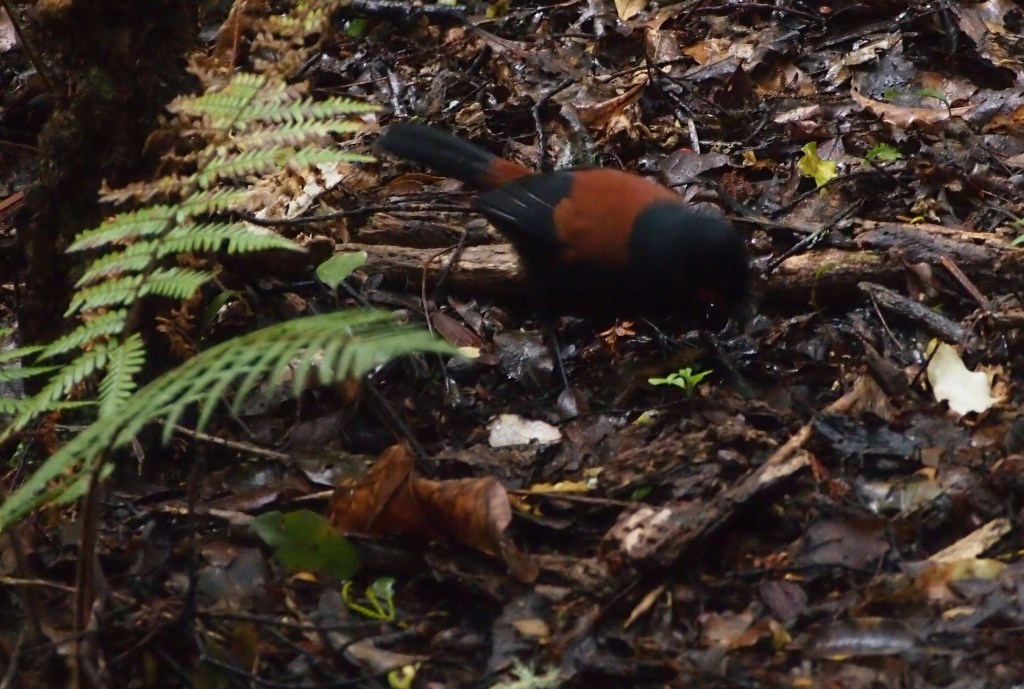
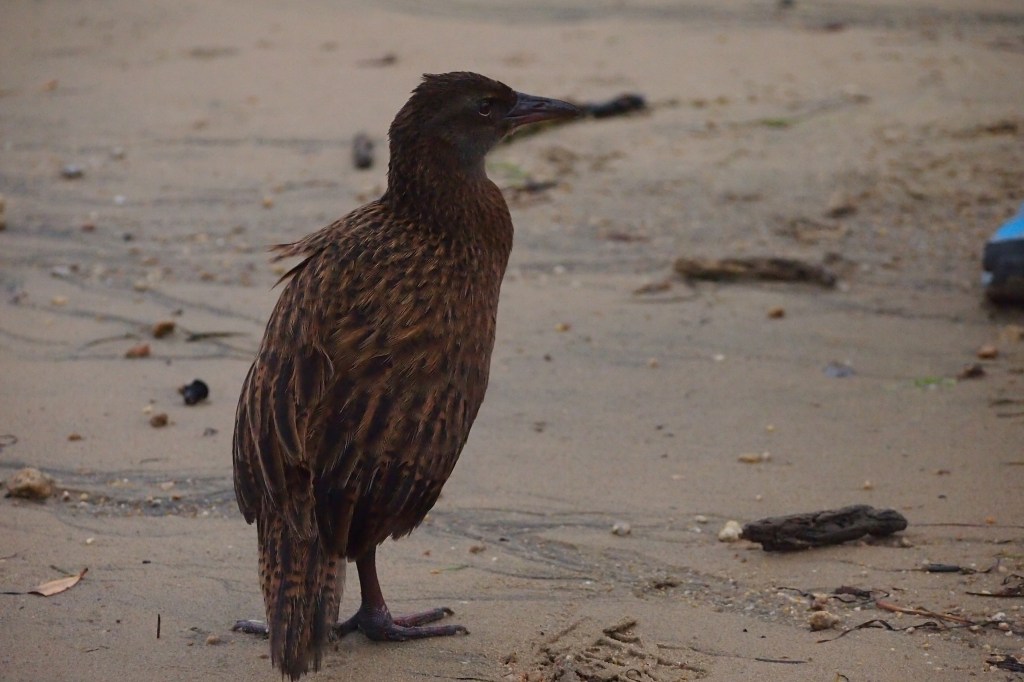
We also see weka, red crested kakariki, kereru & korimako (bell birds). The korimako are known for the dawn chorus, they are one of the first to start singing in the mornings. Emma then points out 2 birds I have never seen before; the hurukōwhai (yellowhammer) and tīeke (saddleback). The little hurukōwhai flutter about in the trees. They are a mossy colour except for their bright yellow head & chest which creates splashes of colour about the forest. I find the saddleback interesting because they look like they should be able to fly and belong high up in the trees, but they mostly stay low to the ground, rustling about in the leaf litter looking for food. They also make their nests low to the ground which makes a easy breakfast for pests. It was so special to see these birds, a first sighting for me.
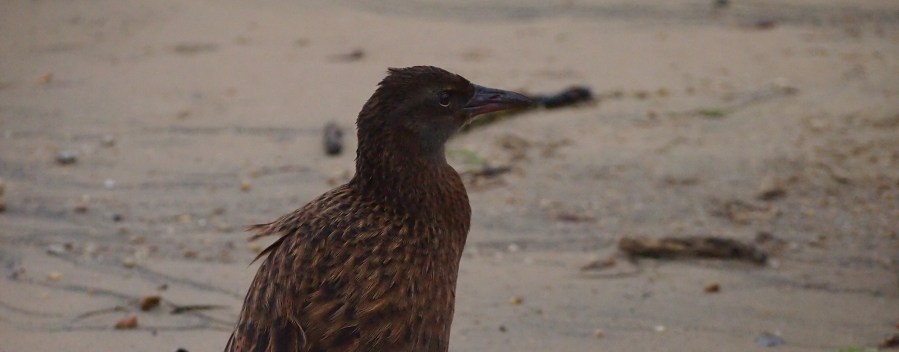
So far, we have only followed the forest trails, but we now find ourselves on one of the beaches. It is very exposed and windy here, so after snapping some photos of a very curious weka, we head back into the sheltered forest. Emma points out some interesting trees – the miro which produces its own writing ink when water pools in its trunk hollows. She shows us the turpentine plant which will light on fire even when it’s wet (apparently quite popular with the kids who what to make bonfires on the beach to toast their marshmallows). We see more of the mutton bird scrub that was used as paper for writing and posting letters on. Nature is so amazing!
I love that we also get to see baby rimu trees. I am used to seeing them stand so tall and strong, it was interesting to see these delicate little saplings. The rimu trees are linked to our endangered kākāpō birds. They only fruit every 3 years and the kākāpō will only nest when they are fruiting.
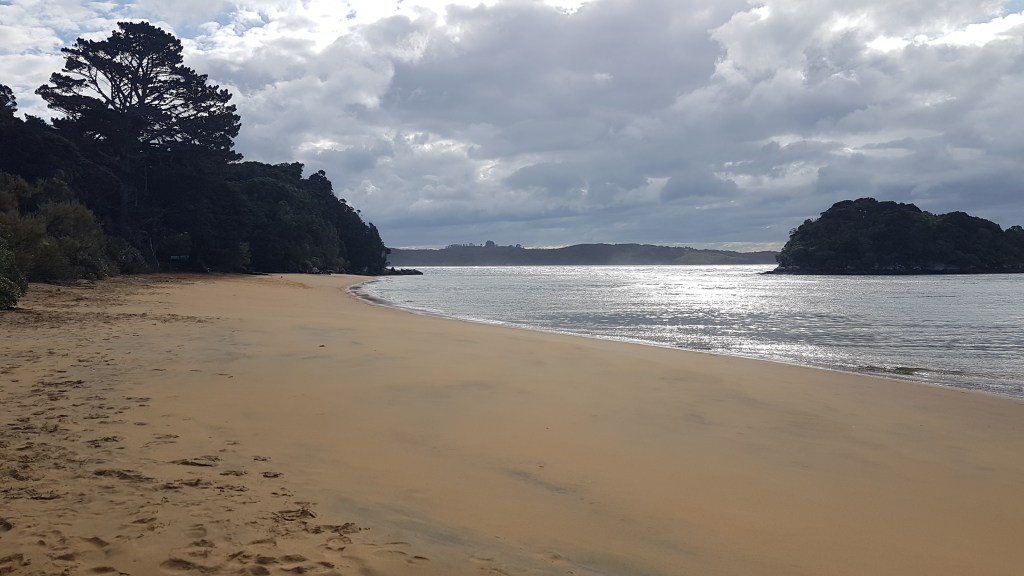
We then make our way down to Sydney Bay. This beach is on the other side of the island and much more sheltered with beautiful golden sand and sea lions resting up on the shore. We are careful not to get too close so as not to disturb them.
As we head back to Post Office Bay, our tour comes to an end. We watch an albatross sailing in the wind as we wait for our boat. If you are on a budget, you can just pay for the ferry ride across and explore on your own. I did consider this, but because of the Day & Night Special I decided to do the guided walk option. We saw so many birds that I am sure we would have missed if we were self guided. I also learnt so much about the forest and area. I am so pleased I booked a guided tour, it was well worth the money. It has been a very enjoyable and informative morning.
 Exploring the Long White Cloud